
The Gambler’s Fallacy
One of the most pervasive myths in the world of gambling is the gambler’s fallacy, the belief that past events can influence future outcomes in random games. For example, players often think that if a coin has landed on heads several times in a row, tails is “due” to happen next. However, in reality, each flip of the coin is an independent event; the odds remain the same no matter how many times a certain outcome has occurred. This misconception can lead gamblers to make poor decisions, especially when they are seeking strategies like nrl betting tips to justify their choices, convinced that they are somehow due for a win.
This fallacy extends beyond coin tossing to games like roulette and slot machines. For instance, a player might leave a slot machine after a strong payout, believing they’ve exhausted all luck on that machine, despite the fact that the machine’s outcome is reset with each play. Understanding that these games operate on random number generators can help players make more informed gambling choices and prevent them from chasing losses based on misconceptions.
Ultimately, acknowledging the independence of each game event is crucial for responsible gambling. By dispelling the gambler’s fallacy, players can adopt a more rational approach, improving their chances of making better choices than relying on flawed logic stemming from misconceptions about luck and chance. Recognizing that every game is a new chance rather than a continuation of previous outcomes can lead to a healthier gambling mindset.
The House Always Wins
Many people believe that casinos always win, and while it’s true that they have a built-in advantage, this myth can be misleading. The phrase “the house always wins” doesn’t imply that individual gamblers cannot win; rather, it suggests that over time, the odds are structured in a way that benefits the casino. For example, games like blackjack and poker offer players opportunities to use skills and strategies to improve their odds, enabling them to win quite regularly. It’s important for players to recognize the distinction between short-term victories and long-term expectations.
Additionally, some games offer much better odds to players than others. For instance, when played optimally, blackjack can have a house edge of less than one percent, making it one of the most favorable games for players. Moreover, certain promotions and bonuses offered by casinos can also tilt the odds in the player’s favor, allowing for potential profit. Understanding the nuances of different games and how to leverage them can empower players to enjoy their experience while still retaining the possibility of winning.

The key takeaway here is that while casinos are designed to retain a long-term edge, players can still experience winning streaks and successful gambling sessions. By focusing on skill-based games and utilizing smart betting strategies, players can not only minimize losses but also enhance their chances of walking away with winnings, challenging the notion that the house always has the upper hand.
The Luck Factor
Another common misconception in the gambling realm is the overemphasis on luck. While luck undeniably plays a role in gambling, it is not the singular factor determining outcomes. Many games require a significant level of strategy, skill, and knowledge. For instance, poker is not just about the cards you are dealt; it involves reading opponents, calculating probabilities, and making strategic bets to gain an advantage. The misconception that luck alone dictates the outcome can discourage players from developing their skills in such games.
In contrast, many gamblers gravitate towards games of pure chance—like slots or roulette—believing that their success is purely governed by luck. While these games do rely on chance, understanding the rules and mechanics can still provide players with insights that could enhance their play. For example, knowing the return to player (RTP) percentage on a slot machine can help players choose games that offer better long-term payouts, challenging the idea that luck is the only thing that matters.
Ultimately, luck is only part of the equation in the gambling world. Players who invest time in learning game strategies, understanding odds, and making calculated bets are likely to find themselves with better outcomes than those who solely rely on fortune. Balancing luck with skill can lead to a more rewarding gambling experience and help debunk the myth that luck is the only determinant of success in the casino landscape.
The Myth of “Hot” and “Cold” Machines
Many players hold the belief that slot machines can become “hot” or “cold,” suggesting that certain machines are more favorable at certain times. This idea stems from a misunderstanding of how slot machines operate. Each spin on a slot machine is independent due to the random number generator technology employed, meaning that no previous spin affects the outcome of the next. The notion of a machine being hot after a series of wins is simply coincidental. Realizing this can prevent players from making irrational decisions based on patterns that do not exist.
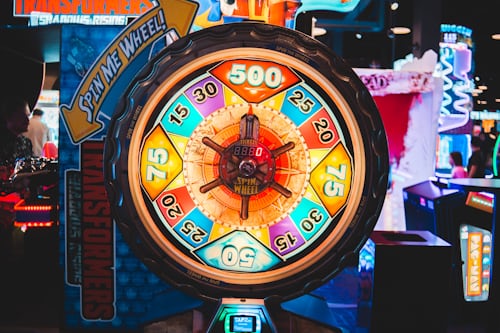
Moreover, the casino industry often contributes to this myth by allowing players to observe past outcomes on machines, leading them to develop a false sense of luck based on previous results. Some players may opt to play a machine that recently paid out, thinking their chances of winning are higher. However, this is a classic case of gamblers misinterpreting random data, as each spin remains completely unaffected by prior results. Understanding this can lead to a more logical approach to choosing which machines to play.
In conclusion, the belief in hot and cold machines is a myth that can lead players to make poor betting decisions. By grasping the randomness of slot machines, players can approach their experience with a clearer understanding of what to expect. This can enhance their enjoyment and allow them to focus on the entertainment aspect of gambling rather than getting caught up in the fallacies surrounding machine behavior.
Understanding Gambling Resources Online
In today’s digital age, many players turn to online resources for gambling information, strategies, and tips. However, not all sources are equally trustworthy. It’s crucial to seek out reputable websites that provide accurate information to help demystify the many myths associated with gambling. High-quality resources can guide players in understanding the mechanics of various games, responsible gambling practices, and ways to enhance their skills, enabling them to engage in the activity more knowledgeably.
Additionally, online communities and forums can serve as valuable spaces for players to share their experiences, strategies, and insights. Engaging with knowledgeable members can provide perspectives that clarify common misconceptions and help players make informed decisions. However, always be cautious of advice that seems too good to be true or is based solely on personal anecdotes, as this can perpetuate myths rather than debunk them.
As you navigate the world of gambling, utilizing reliable resources will empower you to challenge prevalent myths. By equipping yourself with solid knowledge and practical strategies, you can transform your gambling experience into one that is informed and mindful. Embracing education in gambling can lead to more enjoyable and responsible gaming, allowing each player to find joy in the thrill of the game while minimizing the effects of common misconceptions.