
The allure of the casino environment
The casino environment is meticulously crafted to engage and enchant visitors, creating a sensory experience that is hard to resist. Bright lights flash from slot machines, mingling with the sounds of cheers and the clinking of chips, generating an exhilarating atmosphere. This vibrant backdrop is not merely decorative; it is designed to stimulate excitement and anticipation, ensuring that players remain immersed in the gambling experience. Many enthusiasts also explore uk casino sister sites for additional opportunities, as the combination of visual and auditory stimuli plays a significant role in attracting individuals to the gaming floor, making them feel as if they have entered a world where fortunes can be won in an instant.
Moreover, the strategic layout of casinos contributes significantly to their allure. The design often resembles a labyrinth, thoughtfully constructed to keep players exploring and engaged without a clear exit in sight. This layout encourages patrons to lose track of time and continue gambling, as they navigate through an endless array of gaming options. The absence of clocks and windows enhances this sensation of escapism, allowing visitors to forget about their daily lives and immerse themselves in the thrill of the moment. It’s an environment that thrives on creating an experience that feels both magical and addictive.
The emotional highs associated with gambling also contribute to the casino’s appeal. Winning can elicit intense feelings of joy and excitement, while the anticipation of a potential win can generate adrenaline rushes. These emotional peaks can become quite addictive, prompting individuals to seek out that exhilarating experience repeatedly. The prospect of a life-changing win, whether through a jackpot or a successful bet, adds to the allure, compelling many to return to the casino in search of that same thrill and excitement, often leading them to make decisions they might not consider outside of the gambling environment.
The role of cognitive biases in gambling
Cognitive biases play a crucial role in shaping the behavior of gamblers within casinos, often leading to irrational decision-making. One of the most prevalent biases is the gambler’s fallacy, where individuals mistakenly believe that past outcomes can influence future results. For instance, a player may think that after a series of losses, a slot machine is “due” for a payout, prompting them to continue playing despite having already lost significant money. This flawed reasoning can lead to increased betting and financial losses, as players chase after what they perceive to be a forthcoming win.
Another common cognitive bias is the illusion of control, where gamblers believe they can affect the outcome of a game through their choices. This belief can lead to the use of superstitions, such as wearing lucky charms or employing specific betting strategies. While these actions provide a comforting sense of control, they often have no real impact on the random nature of the games being played. The desire to exert influence over luck amplifies the emotional stakes of gambling, making the experience feel more engaging and rewarding, even when it contradicts the realities of chance.
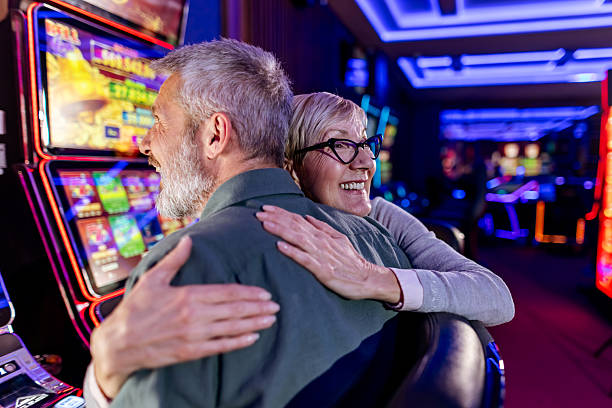
Reinforcement schedules further complicate the psychology of gambling. Casinos often utilize intermittent reinforcement, rewarding players at unpredictable intervals, which keeps them engaged and returning for more. This psychological principle explains why people become addicted to gambling; the thrill of potentially winning at any moment creates a compelling draw. Players may find themselves caught in a cycle of prolonged gambling sessions, driven by the hope of receiving that next big payout, often leading them to ignore the financial ramifications of their actions.
Emotion and decision-making in gambling
Emotions significantly influence the decision-making processes of gamblers, often leading to impulsive and risky behavior. When players experience wins, they may feel euphoric, which can cloud their judgment and make it challenging to walk away from a winning streak. Conversely, losses trigger a complex range of emotions, including frustration and desperation, which can lead to chasing losses—a common behavior where gamblers continue to bet in hopes of recouping their previous losses. This emotional rollercoaster creates a cycle where rational financial considerations are frequently overshadowed by the desire to regain control and balance out the emotional turmoil.
The concept of loss aversion also plays a critical role in gambling behavior. Research has shown that the pain of losing is felt more intensely than the pleasure derived from equivalent gains. This phenomenon can create a sense of urgency among gamblers to recover losses, often resulting in knee-jerk reactions such as increasing wagers or extending playtime beyond their original intentions. As a result, individuals may develop problematic gambling habits, driven by the emotional need to win back what they have lost, rather than relying on rational analysis of their financial situation.
Furthermore, casinos capitalize on these emotional dynamics by offering various perks and incentives designed to keep players engaged. Complimentary drinks, entertainment, and loyalty programs all serve to enhance the overall gambling experience, fostering a sense of appreciation and investment in the player’s journey. These emotional connections can deepen as players associate their wins and losses with the benefits provided by the casino, making it increasingly difficult for them to disengage from the gambling environment. The intertwining of emotion and gambling creates a complex relationship that can be challenging to navigate.
Advertising and marketing strategies in casinos
Advertising and marketing strategies employed by casinos are fundamental to attracting and retaining customers. High-profile promotions, celebrity endorsements, and visually captivating advertisements emphasize the excitement and glamour associated with gambling. By portraying gambling as a thrilling and luxurious experience, casinos tap into individuals’ desires for adventure and escapism, drawing them into the gaming environment with the promise of significant winnings. These marketing efforts are designed not only to attract new players but also to create a lasting impression that encourages repeat visits.

Targeted marketing strategies further enhance casinos’ ability to reach specific demographics. Utilizing data analytics and customer profiling, casinos can tailor promotions to individual preferences and behaviors. Personalized offers, such as free play credits or exclusive bonuses, create a sense of exclusivity and make players feel valued. This individualized approach not only boosts player loyalty but also significantly increases overall spending, as patrons are more likely to return when they feel appreciated and recognized.
Additionally, casinos often employ the concept of social proof in their marketing strategies. The visibility of fellow players enjoying themselves or winning can create an atmosphere of excitement and opportunity, encouraging newcomers to participate. The perception that “everyone else is winning” can be a powerful motivator, prompting individuals to step outside their comfort zones and engage in gambling activities. By fostering a sense of community and shared excitement, casinos further deepen players’ engagement with their offerings, ultimately leading to increased participation and spending.
Understanding the psychology of gambling on our website
Our website serves as a comprehensive resource for understanding the various psychological factors that influence gambling behaviors. We delve into the emotional, cognitive, and environmental aspects that drive individuals to casinos, aiming to enhance awareness of responsible gambling practices. By providing insights into the psychology of gambling, we empower individuals to make informed choices regarding their gambling activities, promoting healthier relationships with gaming.
Through detailed articles and expert analyses, our platform addresses essential topics such as the emotional triggers that can lead to risky gambling behaviors and the cognitive biases that may skew decision-making. By equipping our readers with this knowledge, they can navigate the casino landscape with greater awareness and caution, ultimately fostering a more responsible approach to gambling.
In conclusion, comprehending the psychology behind gambling in casinos is vital for promoting responsible gaming habits. Our website is dedicated to providing valuable information and resources that support individuals in their gambling endeavors, encouraging a safer and more fulfilling experience. Through education and awareness, we strive to cultivate a community that prioritizes the well-being of all players, ensuring that the thrill of gambling remains enjoyable and within healthy boundaries.